

Ultrasonic Electrical and Mechanical Inspection
Sachu Technologies provides Ultrasonic Electrical and Mechanical Inspection Services to detect abnormal high-frequency acoustic activity in suitable electrical and mechanical assets, supporting condition monitoring, maintenance planning and asset reliability.
Request a Quote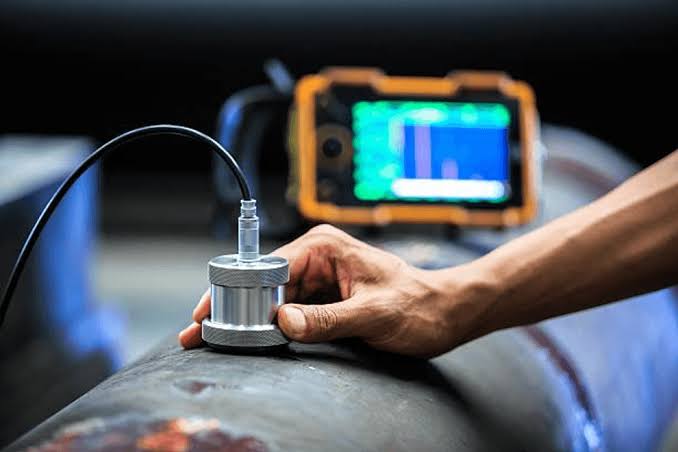
Ultrasonic Electrical and Mechanical Inspection Services
Sachu Technologies provides professional Ultrasonic Electrical and Mechanical Inspection Services for industrial plants, manufacturing facilities, utilities, substations, commercial facilities and critical assets across India. Ultrasonic inspection detects high-frequency sound generated by certain electrical and mechanical conditions. As a result, maintenance teams can identify developing problems that may not be obvious during routine visual inspection.
Many electrical and mechanical faults produce ultrasonic energy before operators notice clear signs of deterioration. Therefore, ultrasonic inspection provides a useful condition-monitoring method for assessing operating equipment. In addition, technicians can perform many inspections while equipment remains in normal operation, subject to site conditions and safe access.
For electrical systems, ultrasonic inspection can help identify acoustic activity associated with conditions such as arcing, tracking and corona where applicable. Moreover, technicians can use ultrasound to inspect switchgear, electrical panels, substations and other suitable electrical assets. As a result, maintenance teams receive additional information for further investigation and maintenance planning.
For mechanical systems, ultrasonic inspection can support condition assessment of bearings and other suitable rotating or moving components. For example, abnormal friction, lubrication-related conditions or developing mechanical problems may change the ultrasonic signature. Therefore, trending and comparing ultrasonic information can support condition-based maintenance decisions.
However, ultrasonic inspection does not replace every electrical or mechanical diagnostic method. Instead, engineers can combine the findings with operating history, thermography, vibration analysis or other suitable tests when deeper investigation is required. Consequently, maintenance teams can develop a more complete understanding of asset condition.
Why Is Ultrasonic Inspection Important?
Industrial assets often operate continuously under electrical, thermal and mechanical stress. However, some developing conditions may not produce obvious visual signs during their early stages. Therefore, maintenance teams need suitable condition-monitoring methods to identify abnormal behaviour.
Ultrasonic inspection converts high-frequency sound into information that technicians can detect and assess. As a result, it can help maintenance teams locate abnormal acoustic activity and determine which assets require closer investigation.
Moreover, periodic ultrasonic inspection can support condition trending. For example, teams can compare observations from similar assets or previous inspections. Therefore, significant changes can provide useful information for maintenance planning.
Ultrasonic Electrical Inspection
Ultrasonic Electrical Inspection focuses on high-frequency acoustic activity associated with certain electrical conditions. For example, arcing, tracking and corona can produce characteristic ultrasonic emissions under applicable conditions. Therefore, ultrasound can provide useful additional information during electrical condition assessment.
Technicians may use suitable ultrasonic instruments to scan accessible electrical equipment and investigate abnormal acoustic activity. In addition, they can document relevant observations for engineering review. As a result, maintenance teams can prioritise areas that require closer inspection or further testing.
However, electrical conditions vary according to equipment design, voltage level, loading, environment and access. Therefore, technicians should interpret ultrasonic findings in the context of the actual equipment and operating conditions.
Electrical Equipment Commonly Inspected
Ultrasonic electrical inspection can support condition assessment of suitable electrical assets. Depending on the installation and safe access, applications may include:
- Electrical switchgear
- Switchboards
- Electrical panels
- Motor control centres
- Substation equipment
- Busbar systems
- Transformers and associated equipment
- Cable termination areas
- Electrical connections
- Other applicable electrical distribution equipment
However, not every electrical fault produces the same ultrasonic response. Therefore, maintenance teams may need additional diagnostic methods to confirm or further investigate abnormal findings.
Ultrasonic Mechanical Inspection
Ultrasonic Mechanical Inspection helps maintenance teams assess suitable mechanical and rotating assets by detecting changes in high-frequency sound. For example, friction and certain bearing or lubrication-related conditions can influence ultrasonic activity.
Therefore, technicians can use ultrasonic measurements as part of a condition-monitoring programme. In addition, repeated measurements can help teams compare equipment behaviour over time. As a result, maintenance personnel can identify changes that may require further investigation.
Moreover, ultrasound can complement vibration analysis for suitable rotating equipment applications. While each technique evaluates equipment condition differently, combining available information can improve the maintenance team's understanding of developing mechanical conditions.
Mechanical Equipment Commonly Inspected
Ultrasonic mechanical inspection can support a range of industrial maintenance applications. For example, suitable assets may include:
- Electric motor bearings
- Pump bearings
- Fan bearings
- Blower bearings
- Gearbox-related bearing points
- Conveyor bearings
- Rotating machinery
- Other suitable mechanical components
In addition, technicians can compare readings across similar components where appropriate. Therefore, abnormal differences can help identify locations that require closer examination.
Conditions Ultrasonic Inspection Can Help Identify
The conditions that ultrasound can detect depend on the application, equipment and operating state. However, ultrasonic inspection may help identify acoustic activity associated with:
- Electrical arcing
- Electrical tracking
- Corona activity where applicable
- Abnormal bearing friction
- Lubrication-related bearing conditions
- Changes in rotating equipment behaviour
- Other abnormal ultrasonic activity
Therefore, technicians should evaluate each finding according to the equipment and operating conditions. Moreover, further testing may help determine the significance or source of an abnormal indication.
Ultrasonic Inspection and Infrared Thermography
Ultrasonic inspection and infrared thermography evaluate different physical indicators. Thermography identifies thermal patterns, while ultrasound detects high-frequency acoustic activity. Therefore, the two methods can complement each other in suitable electrical condition-monitoring programmes.
For example, an abnormal electrical condition may produce detectable acoustic activity even when its thermal pattern does not provide enough information for diagnosis. Conversely, thermography may reveal heating associated with other electrical conditions. As a result, combining suitable inspection techniques can provide additional information for engineering assessment.
Ultrasonic Inspection and Vibration Analysis
Ultrasound and vibration analysis can both support mechanical condition monitoring. However, each method evaluates equipment behaviour differently. Therefore, maintenance teams may use them together for suitable rotating machinery applications.
For example, ultrasound can help identify changes in high-frequency activity at bearing locations. Meanwhile, vibration analysis can provide additional information about machine vibration behaviour. As a result, combining findings can support a broader assessment of equipment condition.
When Should Ultrasonic Inspection Be Performed?
Facilities can include ultrasonic inspection within routine condition-monitoring and preventive maintenance programmes. In addition, teams may consider an inspection when they observe unusual equipment behaviour or need additional information about asset condition.
For example, organisations may consider ultrasonic inspection during:
- Routine electrical maintenance programmes
- Electrical condition-monitoring surveys
- Mechanical condition-monitoring programmes
- Preventive maintenance inspections
- Predictive maintenance activities
- Investigation of suspected electrical abnormalities
- Bearing condition assessment
- Lubrication-related investigations
- Periodic asset reliability surveys
- Follow-up inspections after maintenance
Moreover, periodic inspection can provide information for trending. Therefore, maintenance teams can compare current findings with previous observations where suitable records exist.
Industries and Facilities We Serve
Ultrasonic Electrical and Mechanical Inspection Services support a wide range of industrial and commercial facilities. For example, applications may include:
- Manufacturing plants
- Power plants
- Electrical substations
- Utilities
- Process industries
- Pharmaceutical facilities
- Chemical plants
- Cement plants
- Steel and metal industries
- Automotive facilities
- Food and beverage plants
- Warehouses
- Data centres
- Hospitals
- Commercial facilities
- Infrastructure facilities
Moreover, each facility operates different electrical and mechanical assets. Therefore, Sachu Technologies plans the inspection scope according to the equipment, operating conditions and maintenance requirements.
Benefits of Ultrasonic Electrical and Mechanical Inspection
Ultrasonic inspection provides additional condition information for suitable electrical and mechanical assets. Therefore, maintenance teams can use the findings to support inspection, maintenance and asset-management decisions.
- Helps identify abnormal ultrasonic activity
- Supports electrical condition assessment
- Supports mechanical and bearing condition monitoring
- Provides additional information for maintenance planning
- Supports condition-based maintenance programmes
- Helps identify assets that require further investigation
- Supports periodic condition trending
- Complements thermography and vibration analysis
- Supports asset reliability programmes
However, ultrasonic inspection does not guarantee that technicians will detect every developing fault. Therefore, organisations should use the findings together with equipment history, operating information and other suitable diagnostic methods where necessary.
Ultrasonic Electrical and Mechanical Inspection Services Across India
Sachu Technologies provides Ultrasonic Electrical and Mechanical Inspection Services across India for industrial plants, utilities, substations, manufacturing facilities and commercial sites. Therefore, organisations can plan inspections for individual assets, selected systems or broader facility condition-monitoring programmes.
Our service coverage includes Hyderabad, Mumbai, Delhi, Bengaluru, Chennai, Pune, Ahmedabad, Kolkata, Gurugram and Noida. In addition, Sachu Technologies supports ultrasonic inspection requirements in other major industrial locations across India.
First, share your facility location and equipment details. Next, provide information about the electrical or mechanical assets that require inspection. Then, our team can review the inspection scope and operating conditions. Finally, the inspection can proceed according to the agreed requirements and safe site access.
Our Approach
1. Requirement Review
First, we understand the facility, equipment, operating conditions and inspection objectives. This review helps us define the appropriate ultrasonic inspection scope for the electrical or mechanical assets.
2. Asset Identification
Next, we identify the electrical and mechanical assets included within the agreed inspection scope. In addition, we review available equipment information and relevant operating conditions.
3. Ultrasonic Inspection
Then, our technicians use suitable ultrasonic inspection equipment to assess accessible assets under appropriate operating conditions. During the inspection, they check for abnormal high-frequency acoustic activity that may require further investigation.
4. Data and Observation Review
After the inspection, we review the detected ultrasonic activity, equipment information and relevant site observations. As a result, the assessment provides useful condition information for maintenance teams.
5. Condition Assessment
Next, we assess abnormal indications and identify assets that may require maintenance attention or additional technical investigation. Moreover, we consider the equipment condition and available operating information while reviewing the findings.
6. Reporting and Recommendations
Finally, Sachu Technologies documents the relevant inspection findings, observations and recommendations in the inspection report. Therefore, maintenance teams receive structured information to support further maintenance and asset-management decisions.
Frequently Asked Questions
1. What is Ultrasonic Electrical and Mechanical Inspection?
Ultrasonic inspection detects high-frequency acoustic activity produced by certain electrical and mechanical conditions. Therefore, technicians can use it as a condition-monitoring method for suitable operating assets.
2. What electrical problems can ultrasonic inspection help detect?
Ultrasonic electrical inspection may help identify acoustic activity associated with arcing, tracking and corona where applicable. However, the response depends on the equipment, fault condition and operating environment.
3. Can ultrasonic inspection be used for mechanical equipment?
Yes. Ultrasound can support condition monitoring of bearings and other suitable mechanical components. For example, changes in friction or lubrication-related conditions may influence ultrasonic activity.
4. What is the difference between ultrasonic inspection and thermography?
Ultrasonic inspection detects high-frequency sound, while infrared thermography evaluates thermal patterns. Therefore, the two techniques provide different condition information and can complement each other for suitable applications.
5. Does Sachu Technologies provide ultrasonic inspection services across India?
Yes. Sachu Technologies provides Ultrasonic Electrical and Mechanical Inspection Services across India for industrial plants, utilities, substations, manufacturing facilities and commercial sites.
Discuss Your Ultrasonic Inspection Requirement
Share your facility location, equipment details and inspection requirements. Sachu Technologies can review your electrical or mechanical assets and help define a suitable ultrasonic inspection scope.