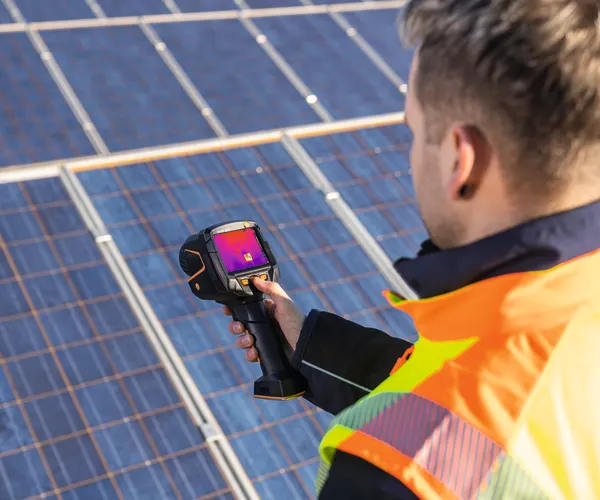
Solar Thermography Service
Solar Thermography detects abnormal heat patterns in PV modules and electrical assets. Sachu Technologies serves PA…


Thermovision Scanning uses an infrared camera to identify and record surface temperature patterns. It helps maintenance teams find unusual heating or cooling in electrical and mechanical assets. Therefore, teams can investigate developing problems before planning repairs or further tests.
Sachu Technologies provides thermovision scanning for industrial plants, utilities, substations, commercial facilities, and critical infrastructure across India. The inspection scope depends on the equipment, operating load, accessibility, environmental conditions, and reported concerns.
Thermovision scanning is a non-contact inspection method that detects infrared energy emitted by an object. The camera converts this energy into a thermal image called a thermogram. Different colours or shades represent temperature differences across the inspected surface.
A thermal pattern does not identify the exact fault by itself. However, it shows areas that need closer assessment. Inspectors compare similar components, operating conditions, load levels, and surrounding temperatures. They also consider emissivity, reflections, viewing angle, distance, airflow, and other factors that can affect thermal readings.
The method supports inspections while equipment operates under normal conditions. As a result, it can reveal heat patterns that may not appear when equipment remains idle or lightly loaded.
Abnormal temperatures often indicate changes in equipment condition. For example, loose electrical connections, uneven loading, high resistance, friction, poor lubrication, blocked cooling, or insulation problems may create unusual thermal patterns.
If teams overlook these conditions, they may contribute to overheating, reduced equipment life, process interruption, or unplanned maintenance. Therefore, thermal scanning helps maintenance teams locate areas that deserve timely attention.
Moreover, thermovision scanning helps teams prioritise maintenance based on observed conditions. It can reduce unnecessary dismantling during the initial inspection. However, the findings may require electrical measurements, mechanical checks, or other diagnostic tests before confirming the cause.
Thermovision scanning supports manufacturing plants, power utilities, substations, commercial buildings, process industries, data centres, hospitals, warehouses, and renewable energy facilities.
Electrical maintenance teams can use it to assess panels, switchgear, busbars, cable joints, transformers, motors, and other loaded components. Likewise, mechanical teams can inspect bearings, couplings, pumps, gearboxes, drives, and rotating equipment.
Facility managers, EPC contractors, reliability teams, and asset owners can also use thermal findings for condition assessment and maintenance planning. The final asset list should match the site’s equipment and inspection objective.
Facilities can include thermovision scanning in preventive or condition-based maintenance programmes. It is also useful before a planned shutdown because the results can help teams prepare repair priorities.
In addition, teams should consider an inspection when equipment shows overheating, unusual smells, repeated trips, unstable operation, vibration, noise, or unexplained performance changes. A scan may also support commissioning checks after installation, repair, load addition, or system modification.
Whenever possible, the equipment should operate under a representative load. Therefore, the client should share operating patterns and production schedules before the inspection.
The typical inspection scope may include:
The exact coverage depends on access, equipment condition, safe viewing points, operating load, and the agreed service scope.
The client typically receives a structured technical report for the inspected assets. The report may include equipment identification, thermal images, visible reference images, observed temperature patterns, recorded temperatures, and condition findings.
Where relevant, the report may classify observations by maintenance priority. It can also recommend inspection, tightening, cleaning, load checks, lubrication, cooling checks, or further diagnostic testing.
However, recommendations depend on the available site information and observed conditions. Equipment may require additional tests before the client confirms the root cause or selects a corrective action.
Sachu Technologies provides Thermovision Scanning for industrial and commercial facilities across India. Share your site location, equipment list, operating conditions, inspection requirement, shutdown availability, and preferred schedule. Our team can then discuss suitable coverage and site arrangements.
We review the equipment list, operating conditions, access points, and reported concerns. Next, we identify suitable assets for scanning and confirm safe viewing positions. This review helps align the inspection scope with the site’s maintenance needs.
We scan accessible equipment under suitable operating conditions and record relevant thermal patterns. Where required, we also capture reference images and available operating details. Actual measurement methods depend on the asset, surface, environment, and inspection objective.
We compare similar components, thermal patterns, operating loads, and surrounding conditions. In addition, we consider factors that can affect readings, such as reflections, airflow, viewing angle, and surface properties. This process helps separate relevant findings from misleading patterns.
We prepare a structured report with equipment details, thermal images, reference images, observations, and condition findings. The report clearly explains important temperature differences and identifies assets that may require maintenance or further technical assessment.
We suggest practical actions based on the recorded evidence and site conditions. These may include connection checks, load assessment, cleaning, lubrication, cooling checks, monitoring, or further testing. The responsible team should confirm the cause before completing major corrective work.
Thermovision scanning is a non-contact method that uses an infrared camera to display surface temperature patterns. It helps identify unusual heating or cooling in electrical and mechanical assets. Inspectors interpret these patterns with operating load, equipment condition, and environmental factors before reporting their findings.
The service supports preventive maintenance, fault investigation, condition assessment, and shutdown planning. Facilities may also request it after repairs, system changes, load additions, or abnormal equipment behaviour. For useful results, the selected equipment should operate under conditions that represent its normal or reported problem state.
The inspection can cover electrical panels, switchgear, transformers, motors, cable connections, busbars, bearings, pumps, gearboxes, drives, and other accessible assets. However, the final scope depends on safe access, operating conditions, surface visibility, equipment type, and the purpose of the inspection.
Thermovision scanning often takes place while equipment operates because its load creates useful thermal patterns. However, access preparation, panel opening, or site safety procedures may require controlled isolation or support from authorised personnel. The final arrangement depends on the equipment, risk controls, and site conditions.
You will receive a technical report based on the agreed inspection scope. It may include equipment identification, thermal images, reference photographs, recorded temperatures, observations, and maintenance priorities. Where appropriate, the report will also recommend practical checks, corrective action, monitoring, or further diagnostic testing.
Solar Thermography detects abnormal heat patterns in PV modules and electrical assets. Sachu Technologies serves PA…
Learn More →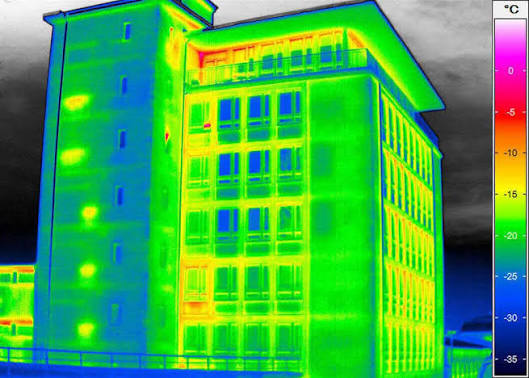
Building Thermography identifies insulation gaps, heat loss and moisture-related patterns. Sachu Technologies serve…
Learn More →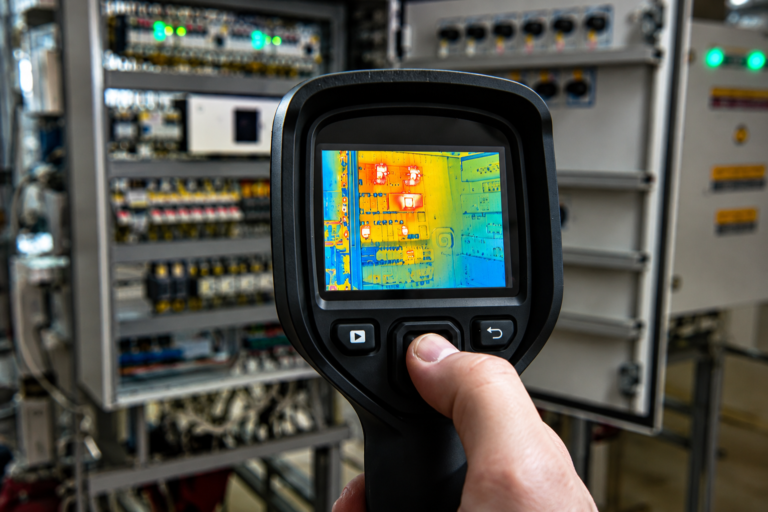
Infrared Thermography detects abnormal heat patterns in industrial assets. Sachu Technologies serves PAN India. Sch…
Learn More →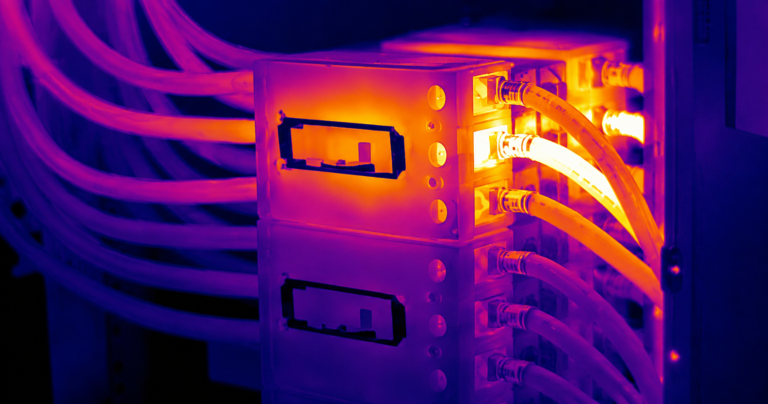
Non-contact thermal imaging assesses electrical panels and equipment for abnormal heat patterns, helping maintenanc…
Learn More →No matching services found.
Share your site location, equipment details, inspection requirement, operating conditions, and preferred schedule. Sachu Technologies provides PAN India support and can discuss suitable inspection coverage based on your assets and site arrangements.
ADDRESS: 15-29-887/C2, Lakshmi Nilayam, Road No – 2, KPHB Conony, Kukatpally, Hyderabad – 500072.
© 2026 Sachu Technologies. All Rights Reserved.
Tell us about your testing or inspection requirement. Our team will contact you shortly.