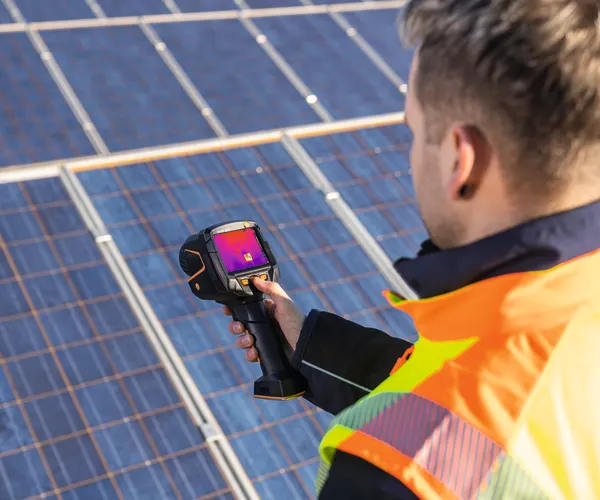
Solar Thermography Service
Solar Thermography detects abnormal heat patterns in PV modules and electrical assets. Sachu Technologies serves PA…

Cold Storage Thermography identifies insulation gaps, heat gain and equipment issues. Sachu Technologies serves PAN India. Plan an inspection.
Request a Quote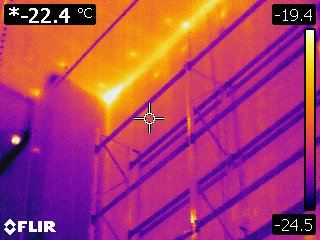
Cold Storage Thermography uses infrared imaging to examine surface temperature patterns within cold rooms, refrigerated warehouses, freezer facilities, and related equipment. It helps identify unusual heat gain, insulation gaps, air leakage indicators, moisture-related patterns, and abnormal equipment temperatures.
Sachu Technologies provides cold storage thermal inspections for food processing plants, pharmaceutical facilities, logistics centres, warehouses, dairies, seafood units, and other temperature-controlled facilities across India. The final scope depends on the facility design, temperature conditions, equipment access, and inspection objective.
Cold storage thermography is a non-contact inspection method. An infrared camera records the thermal energy emitted from accessible surfaces. It then converts the detected energy into a thermal image called a thermogram.
Temperature differences across walls, ceilings, floors, doors, joints, and penetrations may indicate unwanted heat transfer. For example, damaged insulation, poor sealing, thermal bridges, or air movement can create visible thermal patterns.
Thermal bridges are areas where heat passes more easily through the building envelope. These areas may increase refrigeration demand or contribute to condensation under certain conditions.
However, thermal imaging does not directly see through walls. It records surface temperature patterns. Therefore, inspectors must consider indoor and outdoor temperatures, airflow, sunlight, reflections, surface type, door movement, defrost cycles, and operating conditions before interpreting findings.
A cold storage facility depends on effective insulation, controlled airflow, reliable refrigeration, and properly sealed openings. When these conditions change, the refrigeration system may work harder to maintain the required temperature.
Insulation damage, door seal problems, panel joint gaps, and service penetrations may allow unwanted heat or moisture movement. Consequently, facilities may experience temperature variation, condensation, ice formation, or increased refrigeration load.
Thermal scanning helps maintenance teams locate areas that require closer investigation. It can also support repair planning without disturbing large sections of panels during the initial assessment.
In addition, inspectors can assess accessible refrigeration equipment and electrical components for unusual temperature patterns. However, teams may need moisture testing, pressure testing, electrical measurements, or physical inspection to confirm the exact cause.
Cold storage thermography supports refrigerated warehouses, food processing units, pharmaceutical facilities, dairy plants, seafood facilities, distribution centres, supermarkets, ice plants, and agricultural storage facilities.
Facility managers can use the service to investigate unexplained temperature variation, condensation, ice build-up, or high refrigeration demand. Likewise, maintenance teams can inspect cold-room panels, doors, refrigeration equipment, electrical panels, and related assets.
EPC contractors and asset owners may also request thermal inspection during commissioning, after repairs, or before planning insulation work. The agreed scope should reflect the cold-room design, stored products, operating limits, and access restrictions.
Facilities should consider cold storage thermography when they observe condensation, ice formation, damaged seals, uneven room temperatures, or extended compressor operation. It is also useful when maintenance teams suspect insulation damage or unwanted heat entry.
A survey may support preventive maintenance, commissioning, troubleshooting, energy assessment, or repair verification. In addition, facilities can schedule an inspection before replacing insulated panels or repairing large areas.
Useful thermal patterns require suitable temperature differences and stable operating conditions. Therefore, the client should share room temperatures, operating schedules, door activity, defrost cycles, and recent maintenance information before the survey.
The typical inspection scope may include:
The final coverage depends on accessibility, temperature difference, weather, operating conditions, and the agreed inspection purpose.
The client typically receives a structured technical report for the inspected areas. It may include thermal images, visible reference photographs, location details, recorded temperatures, observed patterns, and condition findings.
The report can identify areas that require sealing, insulation checks, door adjustment, equipment inspection, continued monitoring, or further testing. Where appropriate, it may also assign maintenance priorities based on the observed conditions.
However, thermal findings alone may not confirm hidden moisture, insulation condition, or the exact source of air movement. Therefore, some observations may require physical verification or another suitable test.
Sachu Technologies provides Cold Storage Thermography for industrial and commercial facilities across India. Share your site location, cold-room details, operating temperatures, reported concerns, equipment information, access conditions, and preferred schedule. Our team can then discuss a suitable inspection scope.
We review the cold-storage layout, room temperatures, insulated panels, doors, refrigeration equipment, and reported concerns. We also examine operating schedules and recent repairs. This review helps identify suitable survey areas and the conditions required for useful thermal imaging.
We scan accessible surfaces and equipment under suitable operating conditions. Where relevant, we record thermal images, reference photographs, surface temperatures, and available environmental details. The measurement method depends on the facility design, temperature difference, surface type, and inspection purpose.
We examine thermal patterns across panels, joints, doors, penetrations, refrigeration equipment, and electrical assets. In addition, we consider airflow, sunlight, reflections, door movement, and defrost activity. These factors help distinguish meaningful patterns from temporary temperature changes.
We prepare a structured report with thermal images, reference photographs, locations, observations, and condition findings. The report explains significant patterns clearly and identifies areas that may require sealing, physical inspection, equipment checks, monitoring, or further investigation.
We suggest practical actions based on the recorded evidence and site conditions. Recommendations may include seal adjustment, insulation checks, panel repair, moisture assessment, refrigeration equipment inspection, electrical testing, or repeat monitoring after corrective work.
Cold Storage Thermography uses infrared imaging to examine surface temperature patterns in cold rooms and related equipment. It can indicate heat gain, insulation gaps, thermal bridges, air leakage patterns, or abnormal equipment temperatures. However, the inspection may require additional checks to confirm the exact cause.
A facility should consider thermography when it experiences condensation, ice formation, uneven temperatures, damaged door seals, or unexplained refrigeration demand. The service can also support commissioning, preventive maintenance, troubleshooting, repair planning, and follow-up inspection after insulation or sealing work.
The inspection can cover insulated panels, ceilings, floors, joints, doors, seals, service penetrations, refrigeration equipment, piping, electrical panels, motors, and control components. However, the final scope depends on safe access, operating temperatures, surface visibility, environmental conditions, and the facility’s inspection objective.
A full shutdown is usually not necessary because operating temperature differences create useful thermal patterns. However, some equipment checks or access arrangements may require controlled isolation. Door activity, defrost cycles, and production schedules may also affect the survey, so the final plan depends on site conditions.
You will receive a technical report based on the agreed scope. It may include thermal images, visible photographs, inspected locations, temperature records, observations, and maintenance priorities. The report may also recommend sealing, insulation checks, equipment inspection, monitoring, or further tests where required.
Solar Thermography detects abnormal heat patterns in PV modules and electrical assets. Sachu Technologies serves PA…
Learn More →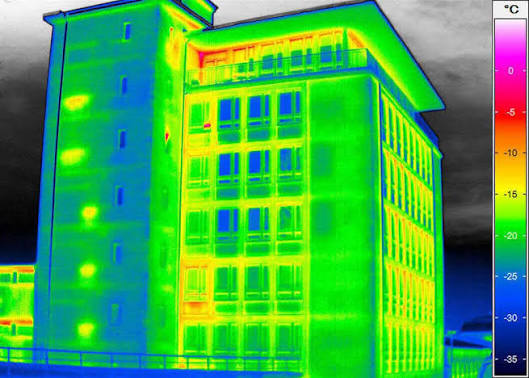
Building Thermography identifies insulation gaps, heat loss and moisture-related patterns. Sachu Technologies serve…
Learn More →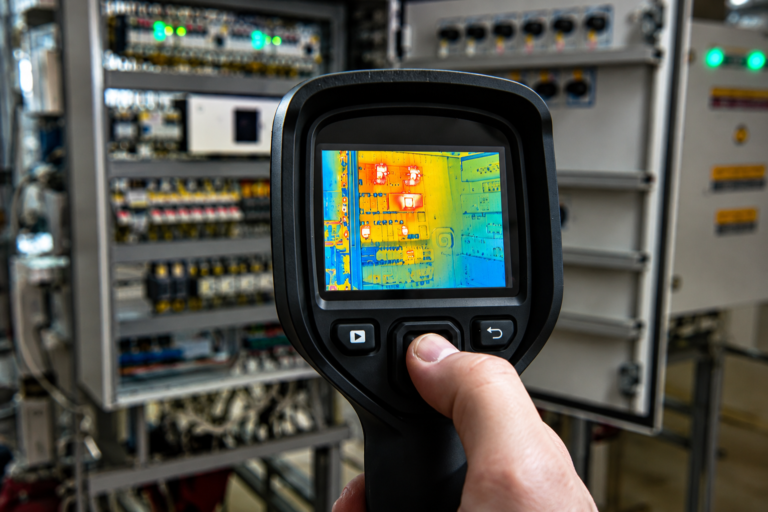
Infrared Thermography detects abnormal heat patterns in industrial assets. Sachu Technologies serves PAN India. Sch…
Learn More →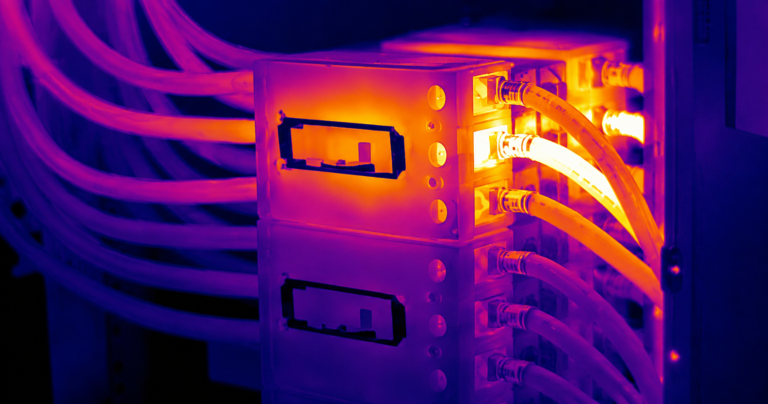
Non-contact thermal imaging assesses electrical panels and equipment for abnormal heat patterns, helping maintenanc…
Learn More →No matching services found.
Share your site location, cold-room details, operating temperatures, reported concerns, equipment information, and preferred schedule. Sachu Technologies provides PAN India support and can discuss suitable inspection coverage for your facility.
ADDRESS: 15-29-887/C2, Lakshmi Nilayam, Road No – 2, KPHB Conony, Kukatpally, Hyderabad – 500072.
© 2026 Sachu Technologies. All Rights Reserved.
Tell us about your testing or inspection requirement. Our team will contact you shortly.