Electrical Thermography
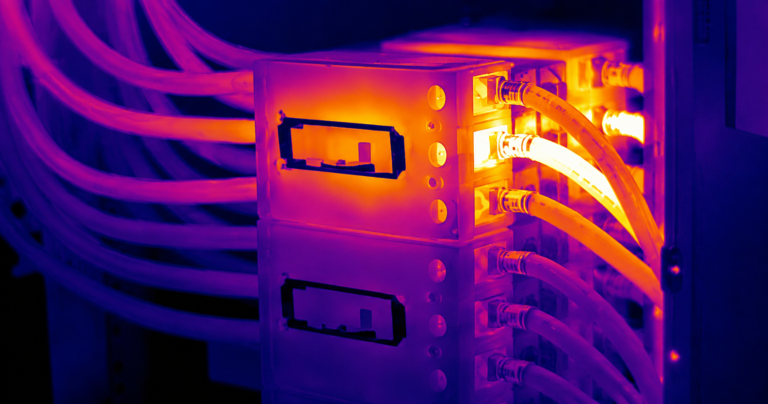
Non-contact thermal imaging assesses electrical panels and equipment for abnormal heat patterns, helping maintenanc…

Non-contact thermal imaging checks motors, bearings, pumps and other mechanical assets for unusual heat patterns that may require further investigation.
Request a Quote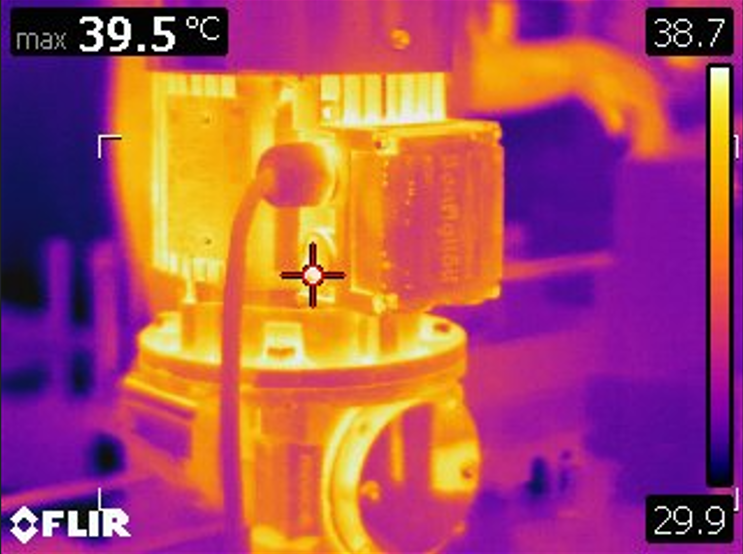
Mechanical thermography services help industrial facilities identify unusual heat patterns in machinery and rotating equipment. Inspectors use infrared cameras to assess motors, bearings, pumps, gearboxes, fans and other accessible mechanical assets without touching moving components.
Mechanical problems often generate excess heat before operators notice visible damage. Therefore, thermal imaging can provide an early indication of friction, lubrication concerns, restricted cooling or unusual mechanical loading.
Sachu Technologies provides mechanical thermal imaging inspections for industrial and commercial facilities across India. Moreover, each inspection considers the equipment, operating conditions and customer’s maintenance objectives.
Mechanical thermography uses an infrared camera to display surface-temperature patterns across operating machinery. Inspectors examine these patterns and compare related components to identify unusual thermal conditions.
For example, a bearing with increased friction may operate at a higher temperature than a similar bearing under comparable conditions. Likewise, inadequate lubrication or restricted airflow may create a noticeable temperature difference.
However, a thermal anomaly does not always confirm the exact mechanical fault. Therefore, maintenance teams may need vibration analysis, lubrication checks, alignment assessment or physical inspection to identify the cause.
A normal visual inspection cannot reveal every developing mechanical problem. In contrast, thermal imaging shows temperature patterns that operators cannot see with the human eye.
As a result, maintenance teams gain additional information about machinery condition during operation. They can use these findings to schedule further checks, prioritize maintenance and plan shutdown work.
Furthermore, mechanical thermography complements other condition-monitoring methods. When teams combine thermal findings with vibration, sound and maintenance data, they gain a clearer view of equipment condition.
Mechanical thermography can help identify:
Nevertheless, heat alone does not prove the exact cause or severity of a problem. Maintenance teams should compare thermal observations with load, speed, vibration, lubrication and equipment history.
Depending on accessibility and operating conditions, the inspection can cover:
However, guards, covers and insulation can block the camera’s view. Therefore, inspectors can assess only surfaces that remain safely visible and relevant to the inspection.
The service can support:
In particular, facilities that operate critical rotating machinery can include thermal imaging in their condition-monitoring programmes.
Consider mechanical thermography:
However, do not select a fixed inspection frequency without considering asset criticality, operating conditions and maintenance history. Manufacturer guidance and the facility’s maintenance strategy may also influence the schedule.
Thermal imaging reveals unusual surface-temperature patterns. Therefore, maintenance teams can investigate developing conditions before visible damage appears.
The inspection provides useful information while machinery operates. As a result, teams can arrange further testing or maintenance around production requirements.
Not every machine requires immediate attention. Consequently, thermal findings help teams focus on equipment that shows meaningful temperature differences.
Inspectors assess temperature patterns without touching moving parts. Nevertheless, they must maintain safe distances and follow all site procedures.
Thermography adds temperature information to the maintenance programme. Moreover, teams can compare the findings with vibration data, oil analysis and maintenance history.
Thermal and visible images show the location of each observation. Therefore, engineers can review the condition and determine whether further testing may be necessary.
Condition information helps teams direct time and resources toward relevant assets. However, thermography should complement routine maintenance rather than replace it.
Maintenance teams can compare later inspections with earlier thermal observations. As a result, they can monitor whether a condition remains stable, improves or requires further attention.
Depending on the agreed scope, the inspection may provide:
The final report should explain each observation clearly. In addition, it should distinguish between an unusual temperature pattern and a confirmed mechanical defect.
We review the selected machinery, accessibility and known operating concerns. First, this review helps us understand the equipment and inspection objective. It also identifies guards, covers and other access limitations.
We scan accessible machinery with suitable infrared imaging equipment. During the inspection, we observe surface-temperature patterns and compare related components. We also consider the available operating load and environmental conditions.
We examine temperature differences, equipment design, speed and operating conditions. Next, we compare similar components where practical. This approach helps us avoid treating every temperature variation as a confirmed fault.
We organize the observations by equipment and location. In addition, we present relevant thermal images and supporting information according to the agreed scope. Clear explanations help maintenance teams understand each finding.
We identify assets that may require monitoring, lubrication review, vibration analysis or physical examination. Finally, we suggest practical next steps for maintenance review. The customer can then combine our findings with other condition data.
Mechanical thermography uses an infrared camera to examine surface-temperature patterns in operating machinery. It can reveal unusual heating in motors, bearings, pumps, gearboxes and other accessible components. However, inspectors must consider operating load, equipment design and ambient conditions before interpreting the results.
Friction, lubrication concerns, mechanical loading and restricted cooling may increase equipment temperature. Therefore, thermal imaging helps maintenance teams locate areas that require closer investigation. It also supports planned maintenance and repair prioritization.
Inspectors can assess accessible motors, bearings, pumps, gearboxes, fans, compressors, couplings and conveyor drives. In addition, they may examine HVAC equipment and other operating machinery. Equipment design, guarding and safe access determine the final coverage.
Depending on the scope, you may receive thermal images, equipment references, temperature observations and details of unusual thermal patterns. In addition, the findings may recommend vibration analysis, lubrication review, monitoring or physical inspection. The agreed reporting format determines the final information.
Share the site location, machinery types, approximate number of assets and inspection objective. Also mention any overheating, vibration, noise or reliability concerns. Sachu Technologies can then discuss operating requirements, safe access, deliverables and your preferred schedule.
Non-contact thermal imaging assesses electrical panels and equipment for abnormal heat patterns, helping maintenanc…
Learn More →Non-contact thermal imaging checks motors, bearings, pumps and other mechanical assets for unusual heat patterns th…
Learn More →No matching services found.
Share your machinery details, site location, current equipment concerns and required scope. Sachu Technologies can review the information and discuss suitable operating conditions, access requirements and scheduling.
ADDRESS: 15-29-887/C2, Lakshmi Nilayam, Road No – 2, KPHB Conony, Kukatpally, Hyderabad – 500072.
© 2026 Sachu Technologies. All Rights Reserved.
Tell us about your testing or inspection requirement. Our team will contact you shortly.