

Cable Route Tracing
Sachu Technologies provides cable route tracing to help identify underground electrical cable paths before excavation, construction and maintenance. The service supports industrial plants, utilities, substations and EPC contractors with cable location planning and underground infrastructure documentation across India.
Request a Quote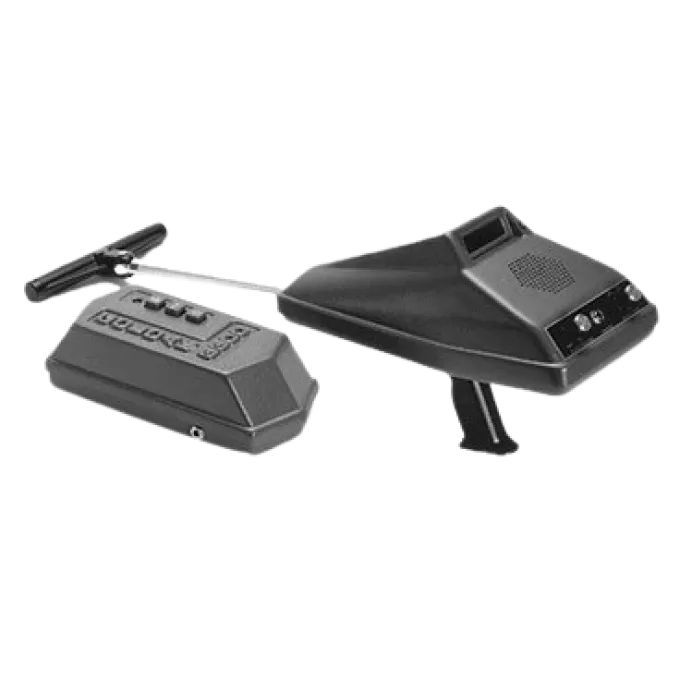
Sachu Technologies provides cable route tracing services to help industrial facilities, utilities and electrical maintenance teams identify the path of underground and concealed cables. Cable route tracing helps locate cable routes before excavation, maintenance, construction or electrical repair work. It also helps reduce uncertainty when cable drawings are missing, outdated or incomplete.
Underground power cables often run beneath roads, factory floors, parking areas and open ground. Over time, changes to site layouts and civil works can make their routes difficult to identify. As a result, excavation without proper checks may damage buried cables and disrupt electrical supply.
Cable route tracing uses suitable cable locating equipment to detect signals from compatible cables or tracing conductors. Depending on the equipment, cable access and site conditions, the process may help identify the cable path and mark its route on the ground.
Sachu Technologies supports cable route tracing for industrial plants, substations, commercial facilities and infrastructure projects across India. The service helps teams plan excavation, locate existing cable routes and carry out maintenance with better site information.
Why Is Cable Route Tracing Important?
Cable route tracing helps teams understand where buried cables run before they begin digging or carrying out civil work. It can reduce the risk of accidental cable damage and help avoid unnecessary delays.
Moreover, accurate route information supports electrical maintenance, cable replacement and future site planning. It is especially useful where underground cable records are unavailable or do not match the actual site layout.
What Can Identify?
Depending on the cable type, locating equipment and site conditions, cable route tracing can help identify:
- The likely path of underground power cables.
- The route of accessible and traceable electrical cables.
- Changes in cable direction along a route.
- Cable routes beneath roads, pathways and open ground.
- Possible cable paths in industrial premises and substations.
- Routes that need further investigation before excavation.
- Differences between available cable drawings and detected routes.
Cable locating results depend on signal strength, cable depth, nearby services, soil conditions and the locating method. Route tracing alone does not always confirm the exact cable depth, identity or condition.
Methods
Active cable tracing: A transmitter applies a locating signal to a compatible cable or conductor. A receiver detects the signal and helps the operator follow the route. Direct connection or an induction method may be used, depending on the cable and equipment.
Passive cable locating: A receiver detects suitable existing signals without applying a transmitter signal. This method can help identify certain energised cables or other detectable signals, but it may not locate every buried cable.
Tracing using a dedicated conductor: Where a suitable tracer wire or accessible metallic path exists, locating equipment may follow that path to help establish the route.
The appropriate method depends on cable access, cable construction, site conditions and the locating equipment available.
Applications
Cable route tracing supports a range of electrical and civil works.
- Excavation planning: Identify likely cable routes before digging.
- Industrial maintenance: Locate underground cables during repair and maintenance work.
- Civil construction: Support planning for foundations, drainage, roads and other ground works.
- Cable replacement: Help trace existing routes before installing replacement cables.
- Substation maintenance: Identify underground cable paths within suitable site areas.
- Utility projects: Support work on electrical distribution networks.
- Factory expansion: Help assess existing cable routes before changes to plant layouts.
- Cable documentation: Provide route information for updating site drawings, where included in the agreed scope.
Industries That Need Cable Route Tracing
Cable route tracing can support organisations that operate or maintain buried electrical infrastructure.
- Manufacturing plants and industrial facilities.
- Electricity utilities and distribution networks.
- Power plants and electrical substations.
- Oil, gas and process industries.
- Cement, steel and heavy industries.
- Commercial buildings and large campuses.
- Data centres and infrastructure facilities.
- EPC contractors and civil construction companies.
- Renewable energy projects.
- Facility management and electrical maintenance teams.
When Should Cable Route Tracing Be Performed?
Cable route tracing is useful whenever the location of existing cables needs to be checked before work begins.
Common situations include:
- Before excavation, trenching or drilling.
- Before installing new underground utilities.
- When cable drawings are missing or unclear.
- Before roadwork, drainage or foundation construction.
- During electrical maintenance and cable replacement.
- When investigating an unknown underground cable route.
- When updating underground service records.
Where several buried services are present, cable tracing should form part of a wider utility detection and excavation safety process. A single locating method may not detect every cable or underground service.
Benefits of Professional Cable Route Tracing
Cable route tracing provides useful site information for planning and maintenance.
- Helps identify likely underground cable paths.
- Reduces the risk of accidental cable damage when used as part of proper excavation planning.
- Supports safer work planning around buried electrical infrastructure.
- Helps reduce avoidable delays caused by uncertain cable locations.
- Supports cable replacement and maintenance planning.
- Helps teams review existing underground cable records.
- Provides route information for site documentation.
- Supports coordination between electrical and civil engineering teams.
The accuracy of the results depends on the locating method, equipment, cable characteristics and site conditions. Therefore, route markings should be treated as detected positions rather than a guarantee of the exact cable location.
Cable Route Tracing Services Across India
Sachu Technologies provides industrial electrical testing, inspection and diagnostic services across India, subject to project scope and site requirements.
We accept cable route tracing enquiries from Hyderabad, Mumbai, Delhi, Bengaluru, Chennai, Pune, Ahmedabad, Kolkata, Gurugram and Noida. We also serve enquiries from other industrial locations, including Visakhapatnam, Vijayawada, Coimbatore, Surat, Vadodara, Nagpur, Jaipur, Kochi and Bhubaneswar.
Industrial plants, utilities, EPC contractors, facility managers and civil construction teams can contact Sachu Technologies to discuss cable route tracing before excavation, maintenance or infrastructure development.
Our Approach
Step 1: Review the Site and Requirement
We review the purpose of the tracing work, the site layout and the available cable drawings. We also collect information about known cable entry points, accessible conductors and the proposed excavation or construction area.
Step 2: Select the Locating Method
We select a suitable locating method based on the cable type, access points and site conditions. Where possible, we use an appropriate transmitter and receiver to trace compatible cables.
The method may need to change if the cable is inaccessible, non-metallic or unsuitable for the available locating equipment.
Step 3: Inspect the Survey Area
We check the work area for accessible cable ends, existing markers, chambers, ducts and other useful reference points. We also consider nearby electrical services and sources of signal interference.
Step 4: Trace the Cable Route
We use suitable locating equipment to follow the detectable signal along the cable path. The operator checks the signal at multiple points and follows changes in direction where the signal remains clear.
Where required, we repeat measurements to improve confidence in the detected route.
Step 5: Mark and Record the Route
We mark the detected cable path on the ground or site surface where agreed. Depending on the project scope, we can record reference points, route changes and areas where the signal is unclear.
Any limitations or sections that need further checks should be noted.
Step 6: Report the Findings
We provide the route information and relevant observations within the agreed scope. The findings can help the customer plan excavation, maintenance or updates to cable drawings.
Before excavation begins, the responsible site team should follow the required safety procedures and use suitable verification methods where necessary.
Frequently Asked Questions
1. What is cable route tracing?
Cable route tracing is the process of identifying the path followed by an existing cable, often underground. Suitable locating equipment detects signals from compatible cables and helps an operator mark the likely route on the ground.
2. Why is cable route tracing required before excavation?
It helps identify likely cable locations before digging, drilling or construction. This information supports excavation planning and reduces the risk of accidental damage to buried electrical cables.
3. Can cable route tracing locate underground power cables?
Yes, suitable locating equipment can trace many underground power cables when the cable or its conductor provides a detectable signal. Results depend on cable construction, accessibility, signal conditions and nearby services.
4. Does cable route tracing provide the exact cable depth?
Not in every case. Some locating equipment can estimate cable depth under suitable conditions, but the result may be affected by nearby conductors, interference and cable configuration. Depth readings should be verified where the work requires greater certainty.
5. Does Sachu Technologies provide cable route tracing across India?
Sachu Technologies accepts enquiries for cable route tracing across India, including Hyderabad, Mumbai, Delhi, Bengaluru, Chennai, Pune, Ahmedabad, Kolkata, Gurugram and Noida. Service availability depends on the project location, site conditions and agreed scope.
Need to Locate Underground Cable Routes?
Planning excavation, civil work or electrical maintenance? Contact Sachu Technologies to discuss your site layout, cable information and tracing requirements. Our team can review the scope and identify a suitable approach for locating accessible, traceable cables.