

Earth Pit Testing
Professional Earth Pit Testing to measure earth resistance, assess grounding performance, identify weak connections, and support safe, reliable electrical systems.
Request a Quote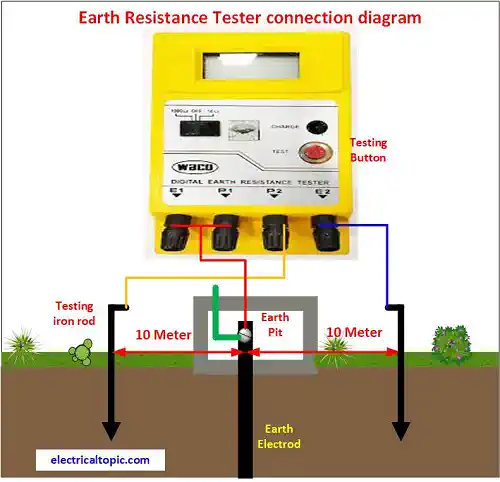
Earth Pit Testing for Electrical Safety and Reliable Grounding
Earth Pit Testing is an important part of electrical maintenance because an effective earthing system provides a safe path for fault current to flow into the ground. Over time, however, soil conditions, corrosion, loose connections, damaged conductors, and changes around the installation can affect earthing performance.
Sachu Technologies provides professional Earth Pit Testing services across India for industrial plants, substations, utilities, commercial facilities, infrastructure sites, solar plants, and other electrical installations.
Our technicians measure the resistance of the earthing system using suitable test methods and instruments based on site conditions. As a result, maintenance teams receive useful data about individual earth pits and the overall condition of the grounding system.
Why Is Earth Pit Testing Important?
A properly maintained earthing system contributes to electrical safety and equipment protection. During an electrical fault, the grounding network provides a path for fault current. Therefore, excessive earth resistance or poor connections can affect the intended performance of the electrical protection system.
Regular Earth Pit Testing helps maintenance teams identify abnormal resistance values, deteriorated connections, damaged earth conductors, corrosion, and other grounding concerns.
Moreover, earth resistance can change because of seasonal moisture variation, soil conditions, ageing, construction activity, or changes to the electrical installation. Periodic testing therefore provides useful information for preventive maintenance and trend analysis.
What Does Earth Pit Testing Include?
The exact inspection scope depends on the site and earthing arrangement. Typically, our Earth Pit Testing service can include:
Identification of accessible earth pits
Visual inspection of earth pit condition
Inspection of accessible earthing connections
Earth resistance measurement
Recording of individual earth pit readings
Identification of unusual or comparatively high readings
Comparison with available previous test records, where provided
Observation of visible corrosion, loose connections, or damage
Documentation of measured values
Test report with findings and observations
Where required, the testing plan can be adapted to the site's electrical configuration, operating conditions, accessibility, and maintenance requirements.
Benefits of Earth Pit Testing
Routine Earth Pit Testing helps organizations understand the present condition of their grounding system. In addition, recorded measurements allow maintenance teams to identify changes over time.
Key benefits include:
Verification of earth resistance values
Early identification of grounding deterioration
Detection of poor or damaged accessible connections
Better preventive maintenance planning
Historical tracking of earth resistance readings
Improved understanding of earthing system condition
Support for electrical safety inspections and maintenance programs
Documentation for internal engineering and maintenance records
Therefore, periodic testing can help teams address grounding concerns before they develop into larger electrical reliability issues.
Where Is Earth Pit Testing Used?
Earth Pit Testing is suitable for many electrical installations, including:
- Manufacturing plants
- Process industries
- Power plants
- Electrical substations
- Utility installations
- Commercial buildings
- Data centres
- Hospitals
- Solar power plants
- Warehouses
- Infrastructure facilities
- EPC projects
- Telecom installations
- Large residential and institutional facilities
When Should Earth Pits Be Tested?
Testing frequency should depend on the site's electrical safety program, operating conditions, earthing design, environmental conditions, applicable requirements, and maintenance practices.
Testing may also be considered after major electrical modifications, earthing repairs, construction work near earth pits, abnormal electrical events, or when maintenance teams observe significant changes in previous readings.
Earth Pit Testing Across India
Sachu Technologies provides Earth Pit Testing services across India for industrial, utility, infrastructure, commercial, and renewable-energy facilities.
Our service coverage includes major industrial locations such as Hyderabad, Mumbai, Delhi, Bengaluru, Chennai, Pune, Ahmedabad, Kolkata, Gurugram, and Noida, along with other locations across India.
Share your site location, number of earth pits, available earthing layout, previous readings if available, operating conditions, and preferred schedule. Our team can then discuss the appropriate testing scope for your facility.
Our Approach
1. Inspect
First, our team reviews the available earth pits, grounding arrangement, site conditions, and accessible connections. We also identify practical testing points and note visible signs of corrosion, damage, or loose connections.
2. Measure
Next, we measure earth resistance using an appropriate test method based on the earthing arrangement and site conditions. Where applicable, individual earth pits are tested and their readings are recorded separately.
3. Analyze
After measurement, our team reviews the recorded values and identifies unusual readings or significant differences between comparable earth pits. Where previous test data is available, we can also consider changes in measured values.
4. Report
We then prepare a structured report containing the available earth pit identification, measured resistance values, observations, and relevant findings from the inspection.
5. Recommend
Finally, where the findings indicate concerns, we highlight areas that may require further inspection, maintenance, repair, or additional engineering review.
Frequently Asked Questions
1. What is Earth Pit Testing?
Earth Pit Testing measures the resistance of an earthing system or individual earth electrode to understand its grounding performance. The measured data helps maintenance teams assess the condition of the earthing arrangement.
2. Why does earth resistance change over time?
Earth resistance can change because of soil moisture, seasonal conditions, corrosion, ageing connections, electrode deterioration, nearby construction, and changes to the grounding system. Therefore, periodic measurement is useful for identifying trends.
3. How often should Earth Pit Testing be carried out?
There is no single testing interval suitable for every installation. The frequency should follow the site's maintenance program, risk assessment, equipment requirements, environmental conditions, earthing design, and applicable regulatory or engineering requirements.
4. Can you test individual earth pits?
Where the earthing arrangement and site conditions permit suitable measurement, individual earth pits can be tested and their readings recorded. The appropriate method depends on how the grounding network is connected and whether the required test conditions can be achieved.
5. What information is included in the Earth Pit Testing report?
The report can include earth pit identification, measured resistance values, inspection observations, abnormal findings, and relevant maintenance recommendations. The exact reporting scope depends on the agreed testing requirement.
Need Earth Pit Testing at Your Facility?
Assess the condition of your grounding system with professional Earth Pit Testing from Sachu Technologies. Share your site location, number of earth pits, available earthing details, previous test records, and preferred testing schedule. Our team can discuss the appropriate inspection and measurement scope for your facility.