Electrical Thermography
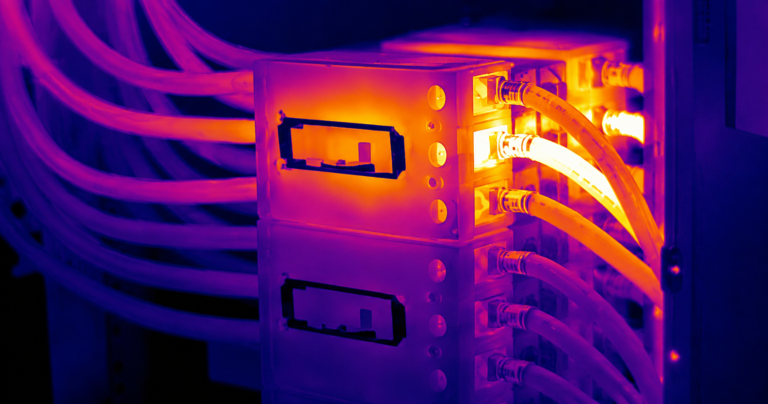
Non-contact thermal imaging assesses electrical panels and equipment for abnormal heat patterns, helping maintenanc…

Building Thermography identifies insulation gaps, heat loss and moisture-related patterns. Sachu Technologies serves PAN India. Book an inspection.
Request a Quote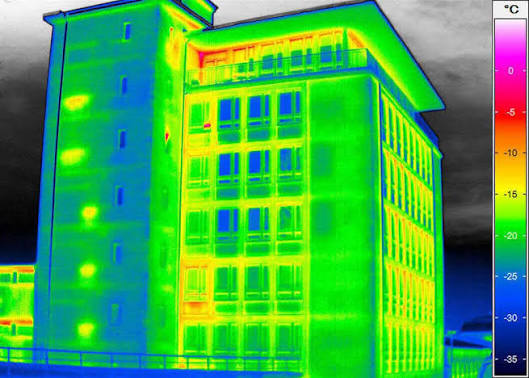
Building Thermography uses infrared imaging to examine temperature patterns across walls, roofs, ceilings, floors, doors, windows, and other accessible surfaces. It helps locate unusual heat flow, insulation gaps, thermal bridges, air-leakage indicators, and moisture-related patterns.
Sachu Technologies provides thermal building inspections for industrial plants, commercial buildings, warehouses, offices, hospitals, data centres, hotels, cold-storage facilities, and institutional properties across India. The inspection scope depends on the building design, temperature conditions, accessibility, and reported concern.
Building thermography is a non-contact inspection method. An infrared camera detects thermal energy from a surface and converts it into a thermal image called a thermogram. Different colours or shades represent variations in apparent surface temperature.
These variations may indicate missing or damaged insulation, unwanted heat transfer, air movement, thermal bridging, moisture-related cooling, or defects around building joints.
A thermal bridge is an area where heat passes more easily through the building envelope. Common locations include structural interfaces, roof joints, wall connections, window frames, and service penetrations.
However, the camera does not see through walls or directly detect moisture. Therefore, inspectors must interpret each thermal pattern with building conditions, weather, surface properties, airflow, sunlight, reflections, and occupancy information.
Gaps in the building envelope may allow unwanted heat gain or heat loss. As a result, heating or cooling systems may work harder to maintain indoor conditions.
Insulation defects and air leakage can also create uneven room temperatures and occupant discomfort. Moreover, moisture movement may produce surface temperature patterns that indicate areas requiring further investigation.
Building thermography helps maintenance teams locate affected areas without opening large sections of walls or ceilings during the initial survey. Consequently, teams can plan targeted checks and repairs.
However, similar thermal patterns may have different causes. For example, missing insulation, air movement, moisture, shade, or structural materials may produce comparable results. Additional inspection or testing may therefore be necessary.
Building thermography supports industrial plants, warehouses, offices, hospitals, hotels, shopping centres, data centres, educational institutions, pharmaceutical facilities, and commercial properties.
Facility managers can use the service to investigate uncomfortable areas, condensation, damp patches, unexplained cooling load, or suspected insulation problems. Likewise, maintenance teams can assess roofs, walls, ceilings, doors, windows, and service openings.
EPC contractors, consultants, builders, and property owners may also request thermal inspection during commissioning, renovation, condition assessment, or repair verification. The final scope should match the building type and inspection objective.
A thermal building survey is useful when occupants report uneven temperatures, draughts, condensation, damp areas, or excessive heat entering a space. It can also support energy assessments and building-envelope maintenance.
Facilities may arrange an inspection before renovation, waterproofing, insulation replacement, or HVAC improvement. In addition, thermography can support checks after repairs or during suitable commissioning activities.
Useful results require adequate temperature differences and reasonably stable conditions. Strong sunlight, rain, wind, recent heating or cooling changes, and reflections can affect surface temperatures. Therefore, Sachu Technologies reviews the site conditions before confirming the survey time.
The typical inspection scope may include:
The final coverage depends on access, surface visibility, weather, indoor conditions, temperature difference, and the agreed inspection scope.
The client typically receives a structured technical report for the inspected areas. It may include thermal images, visible reference photographs, locations, recorded temperatures, observations, and condition findings.
The report can identify areas that may require insulation checks, sealing, moisture assessment, waterproofing review, HVAC inspection, or physical verification. Where appropriate, it may also group findings by maintenance priority.
Thermography alone cannot confirm hidden moisture, air leakage rates, or the exact internal condition of a wall. Therefore, some observations may require moisture measurement, air-leakage testing, physical inspection, or another suitable method.
Sachu Technologies provides Building Thermography for industrial and commercial facilities across India, including Hyderabad, Mumbai, Delhi, Bengaluru, Chennai, Pune, Ahmedabad, Kolkata, Gurugram, and Noida. Share your building details, site location, reported concerns, operating conditions, access requirements, and preferred schedule to discuss suitable inspection coverage.
We review the building layout, construction type, inspected areas, HVAC operation, and reported concerns. We also check indoor and outdoor conditions, recent weather, and access points. This review helps define suitable survey areas and inspection timing.
We scan accessible building surfaces under suitable thermal conditions. Where relevant, we record thermal images, visible photographs, surface temperatures, and available environmental details. The measurement method depends on the building design, surface material, temperature difference, and inspection objective.
We assess thermal patterns across walls, roofs, ceilings, floors, openings, and structural interfaces. In addition, we consider airflow, sunlight, reflections, occupancy, and material differences. This analysis helps separate relevant findings from normal construction patterns or temporary temperature changes.
We prepare a structured report with thermal images, reference photographs, inspected locations, observations, and condition findings. The report explains significant thermal patterns and identifies areas that may require sealing, insulation checks, moisture assessment, or physical verification.
We suggest practical actions based on the recorded evidence and site conditions. Recommendations may include sealing checks, insulation repairs, moisture testing, waterproofing assessment, HVAC review, or follow-up scanning after corrective work.
Building Thermography uses an infrared camera to examine surface temperature patterns across a building. It can indicate insulation gaps, thermal bridges, unwanted heat flow, air movement, or moisture-related conditions. However, further checks may be necessary to confirm the exact cause.
A thermal inspection helps investigate uneven temperatures, condensation, damp areas, draughts, insulation problems, or unexplained heating and cooling demand. It can also support commissioning, renovation, energy assessment, preventive maintenance, and repair verification when suitable temperature conditions exist.
The inspection can cover accessible walls, roofs, ceilings, floors, windows, doors, structural joints, insulation areas, and service penetrations. However, the final scope depends on surface visibility, construction type, weather, indoor conditions, temperature difference, access, and the inspection objective.
Building thermography normally does not require a facility shutdown. However, HVAC settings, room access, door activity, or production conditions may need temporary control to create stable inspection conditions. The final arrangement depends on the building, occupied areas, and selected survey scope.
You will receive a technical report based on the agreed scope. It may include thermal images, reference photographs, inspected locations, observed patterns, temperature records, and condition findings. The report may also recommend sealing, insulation checks, moisture testing, physical inspection, or further assessment.
Non-contact thermal imaging assesses electrical panels and equipment for abnormal heat patterns, helping maintenanc…
Learn More →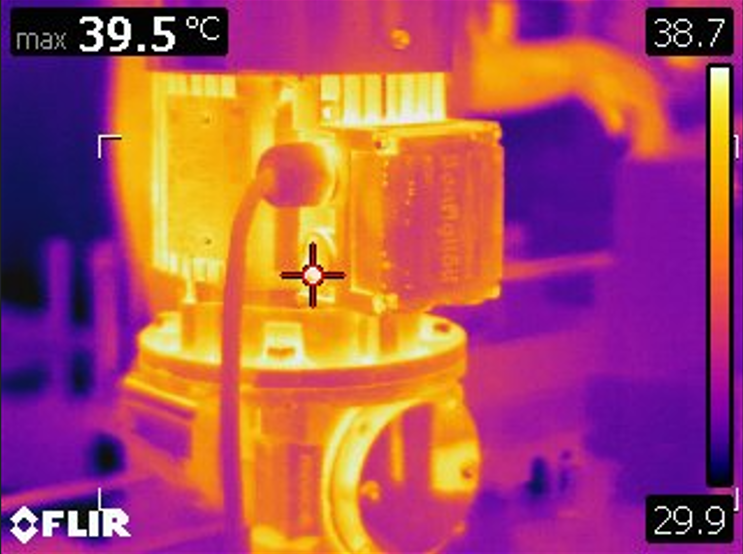
Non-contact thermal imaging checks motors, bearings, pumps and other mechanical assets for unusual heat patterns th…
Learn More →
Thermovision Scanning Services Thermovision Scanning uses an infrared camera to identify and record surface tempera…
Learn More →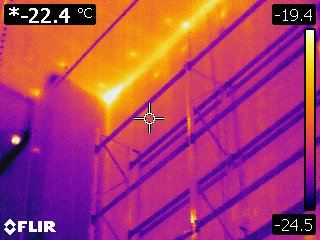
Cold Storage Thermography identifies insulation gaps, heat gain and equipment issues. Sachu Technologies serves PAN…
Learn More →No matching services found.
Share your site location, building details, inspection requirement, reported concerns, operating conditions, and preferred schedule. Sachu Technologies provides PAN India support and can discuss suitable thermal inspection coverage for your property.
ADDRESS: 15-29-887/C2, Lakshmi Nilayam, Road No – 2, KPHB Conony, Kukatpally, Hyderabad – 500072.
© 2026 Sachu Technologies. All Rights Reserved.
Tell us about your testing or inspection requirement. Our team will contact you shortly.