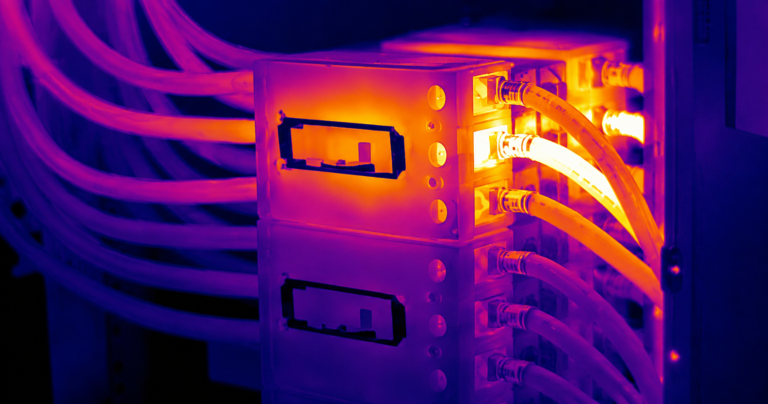
Electrical Thermography
Non-contact thermal imaging assesses electrical panels and equipment for abnormal heat patterns, helping maintenanc…

Solar Thermography detects abnormal heat patterns in PV modules and electrical assets. Sachu Technologies serves PAN India. Request an inspection.
Request a Quote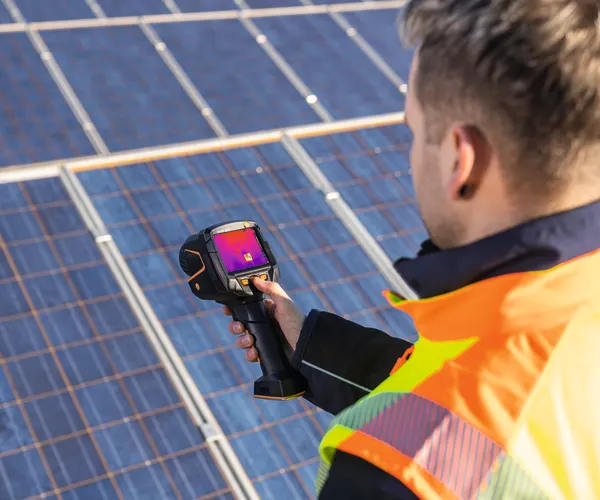
Solar Thermography uses infrared imaging to examine temperature patterns across photovoltaic modules and related electrical assets. It helps maintenance teams locate hotspots, uneven module temperatures, abnormal connections, and other thermal concerns that may affect plant performance.
Sachu Technologies provides solar thermal inspection services for rooftop systems, industrial solar installations, commercial facilities, and utility-scale solar plants across India. The inspection scope depends on plant size, system layout, operating conditions, site access, and the required level of assessment.
Solar thermography is a non-contact method that records surface temperatures as thermal images. A thermal camera converts infrared energy from an accessible surface into a thermogram. Different colours or shades represent temperature variations.
During normal generation, PV modules develop temperature patterns based on solar exposure, electrical loading, construction, airflow, and condition. An unusually warm cell, cell group, junction box, or connection may indicate an area that requires investigation.
Possible causes can include cell damage, shading, soiling, connection resistance, bypass diode issues, module mismatch, or internal electrical conditions. However, a thermal image alone may not confirm the root cause. Therefore, maintenance teams may need visual inspection and electrical tests to verify the finding.
A solar plant contains many modules and electrical connections. Even a small number of abnormal components can make fault location difficult through routine visual inspection alone.
Thermal imaging helps teams screen large numbers of accessible modules without physical contact. As a result, they can identify unusual temperature patterns and prioritise areas for closer inspection.
Hotspots may place added thermal stress on modules or related components. Likewise, abnormal heating at connectors, terminals, combiner boxes, isolators, or inverter connections may indicate a developing electrical concern.
However, thermal patterns can also result from temporary shade, dirt, reflections, wind, clouds, or uneven sunlight. Therefore, inspectors must review the operating and environmental conditions before classifying a finding.
Solar thermography supports utility-scale solar plants, industrial rooftop systems, commercial installations, captive power projects, solar EPC contractors, operations and maintenance teams, facility managers, investors, and asset owners.
Plant operators may use the service to investigate reduced output, string imbalance, inverter alarms, module damage, or recurring electrical issues. EPC contractors can also use it during commissioning support or after corrective work.
In addition, asset owners may include thermal inspection within preventive or condition-based maintenance programmes. The final scope should match the plant capacity, equipment layout, maintenance history, and inspection objective.
A solar thermal inspection should take place while the PV system generates power under suitable and reasonably stable sunlight. Low or rapidly changing solar conditions may hide thermal differences or create misleading patterns.
Plants can schedule the service during preventive maintenance, commissioning support, performance investigation, defect assessment, or repair verification. Teams should also consider an inspection after storms, physical damage, repeated inverter alarms, unexpected generation loss, or major electrical work.
The client should share plant drawings, module details, string information, alarm records, and performance concerns before the inspection. This information helps define the inspection plan and supports accurate interpretation.
The typical inspection scope may include:
Ground-based or aerial inspection may apply according to plant size, access, site conditions, and the agreed scope.
The client typically receives a structured technical report for the inspected areas. It may include asset or location details, thermal images, visible reference photographs, observed temperature patterns, and condition findings.
Where the scope permits, the report may group observations by type or maintenance priority. It may also recommend cleaning, visual checks, connection inspection, electrical testing, module assessment, or continued monitoring.
Thermal imaging does not directly measure energy loss or confirm every internal defect. Therefore, some findings may require current-voltage testing, insulation testing, string measurements, or another suitable diagnostic method.
Sachu Technologies provides Solar Thermography for rooftop, industrial, commercial, and utility-scale PV installations across India. Share your site location, plant capacity, module layout, reported concerns, operating status, access conditions, and preferred schedule. Our team can then discuss suitable inspection coverage.
We review the solar plant layout, module arrangement, electrical system, access conditions, maintenance history, and reported concerns. We also check the expected weather and operating conditions. This preparation helps define suitable inspection areas and a practical survey plan.
We capture thermal images of accessible PV modules and related electrical assets under suitable generation conditions. Where relevant, we also record visible images, locations, and available operating information. The method depends on plant size, access, sunlight, and inspection scope.
We compare thermal patterns across similar modules, cells, strings, and electrical components. In addition, we consider sunlight, shading, wind, reflections, soiling, and viewing angle. This analysis helps distinguish repeatable concerns from environmental or temporary effects.
We prepare a structured report with thermal images, visible photographs, asset locations, observations, and condition findings. The report identifies areas that may require cleaning, electrical measurements, connection checks, module assessment, monitoring, or further investigation.
We suggest evidence-based maintenance actions for each relevant finding. Recommendations may include cleaning, connector inspection, string testing, bypass diode assessment, module checks, or repeat scanning. The client should confirm the root cause before replacing components.
Solar Thermography uses an infrared camera to examine temperature patterns across operating PV modules and related electrical components. It helps identify hotspots and unusual heating that may need further investigation. However, electrical measurements or physical checks may be required to confirm the exact fault.
A solar thermal inspection supports preventive maintenance, commissioning, fault investigation, and repair verification. Plant owners may also request it after reduced generation, inverter alarms, storms, module damage, or major electrical work. Suitable sunlight and operating conditions are important for useful thermal results.
The inspection can cover PV modules, individual cell areas, junction boxes, connectors, string terminations, combiner boxes, isolators, inverters, panels, and accessible electrical connections. The final scope depends on plant design, equipment access, operating status, weather, safety controls, and the selected inspection method.
Solar module scanning normally requires the system to generate power because operating current and sunlight create useful thermal patterns. However, inspecting or accessing some electrical components may require controlled isolation. The final arrangement depends on the equipment, inspection point, site procedures, and electrical safety requirements.
You will receive a technical report based on the agreed inspection scope. It may include module or asset locations, thermal images, visible photographs, observations, temperature patterns, and maintenance priorities. The report may also recommend cleaning, electrical testing, component checks, monitoring, or further investigation.
Non-contact thermal imaging assesses electrical panels and equipment for abnormal heat patterns, helping maintenanc…
Learn More →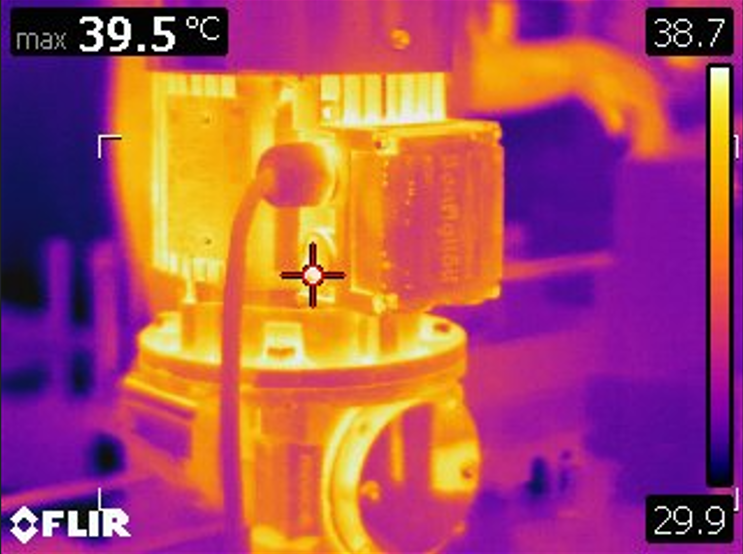
Non-contact thermal imaging checks motors, bearings, pumps and other mechanical assets for unusual heat patterns th…
Learn More →
Thermovision Scanning Services Thermovision Scanning uses an infrared camera to identify and record surface tempera…
Learn More →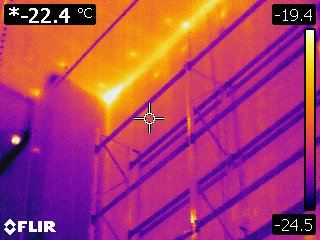
Cold Storage Thermography identifies insulation gaps, heat gain and equipment issues. Sachu Technologies serves PAN…
Learn More →No matching services found.
Share your site location, plant capacity, module details, inspection requirement, operating status, and preferred schedule. Sachu Technologies provides PAN India support and can discuss suitable thermal inspection coverage for your solar installation.
ADDRESS: 15-29-887/C2, Lakshmi Nilayam, Road No – 2, KPHB Conony, Kukatpally, Hyderabad – 500072.
© 2026 Sachu Technologies. All Rights Reserved.
Tell us about your testing or inspection requirement. Our team will contact you shortly.