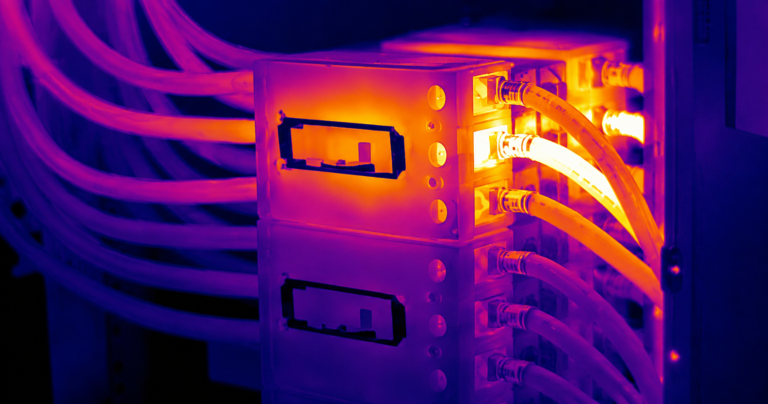
Electrical Thermography
Non-contact thermal imaging assesses electrical panels and equipment for abnormal heat patterns, helping maintenanc…

Non-contact thermal imaging assesses electrical panels and equipment for abnormal heat patterns, helping maintenance teams identify concerns and prioritize further investigation.
Request a Quote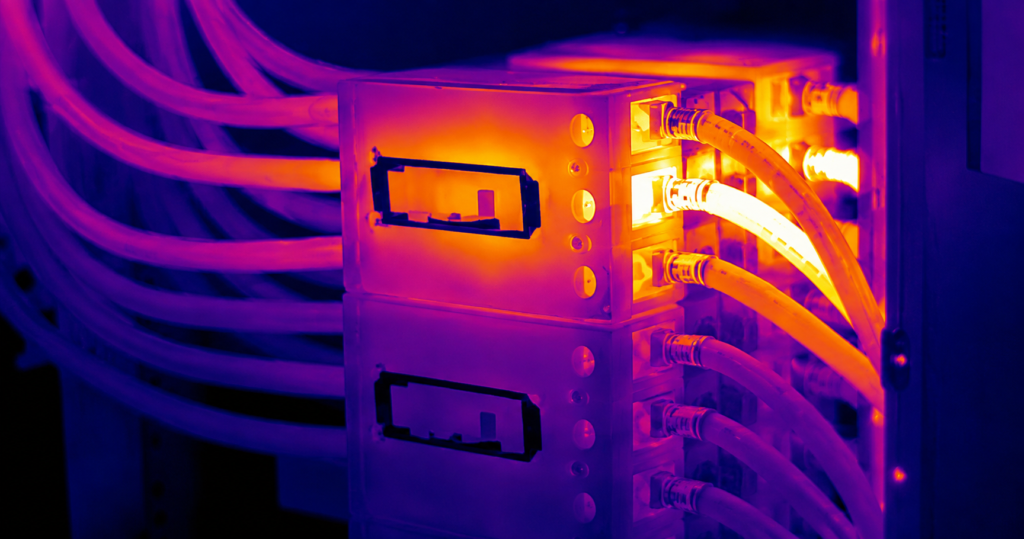
Electrical thermography services help industrial facilities detect unusual heat patterns in electrical panels, switchgear, busbars, cable connections and other operating equipment. Inspectors use infrared cameras to view surface temperatures without touching electrical components.
Electrical faults often create excess heat before maintenance teams notice visible damage. Therefore, thermal imaging can provide an early warning of developing connection, loading or component problems. Maintenance teams can then investigate the affected equipment and plan suitable action.
Sachu Technologies provides electrical thermal imaging inspections for industrial and commercial facilities across India. Moreover, each inspection focuses on the customer’s assets, operating conditions and maintenance needs.
Electrical thermography uses an infrared camera to display surface temperature patterns. The camera converts infrared energy into a thermal image, which allows inspectors to compare components and locate unusual heat.
For example, a poor electrical connection may produce more heat than similar connections under comparable loads. Likewise, uneven phase loading may create noticeable temperature differences. However, inspectors must consider load, equipment design, reflections and ambient conditions before interpreting a thermal pattern.
Thermal imaging indicates areas that require attention. Therefore, maintenance teams may need electrical measurements, physical checks or other tests to confirm the cause.
A normal visual inspection cannot reveal every developing electrical condition. In contrast, thermal imaging shows temperature differences that the human eye cannot see.
As a result, maintenance teams gain better information about accessible electrical assets during operation. They can use these findings to plan maintenance, prioritize repairs and arrange further testing.
Furthermore, planned investigation may reduce the chance of unexpected interruptions. However, thermography cannot eliminate every electrical risk or identify faults hidden behind covers and solid barriers.
Electrical thermography can help identify:
Nevertheless, a thermal anomaly does not always confirm the exact defect. Maintenance teams should combine thermal findings with load data, electrical measurements and engineering assessment.
Depending on accessibility and site conditions, the inspection can cover:
However, solid covers and enclosed compartments can block infrared energy. Therefore, inspectors can only assess surfaces that remain safely visible to the camera.
The service can support:
In particular, facilities that depend on continuous electrical operation can use thermography as part of their condition-monitoring programmes.
Consider electrical thermography:
However, do not select a fixed inspection frequency without considering asset risk, equipment criticality, operating conditions and maintenance history. Manufacturer guidance and the facility’s maintenance policy may also influence the schedule.
Thermal imaging highlights unusual surface-temperature patterns. Therefore, maintenance teams can investigate developing concerns before visible damage appears.
The inspection provides condition information during equipment operation. As a result, teams can plan further checks or maintenance around production requirements.
Not every asset requires the same level of attention. Consequently, thermal findings help teams prioritize equipment that shows notable temperature differences.
Inspectors measure emitted infrared energy without touching electrical conductors. Nevertheless, they must follow suitable electrical safety and access procedures.
Thermal findings add useful information to maintenance records. Moreover, teams can compare the observations with load data, test results and equipment history.
Thermal and visible images help teams understand the location of an observation. Therefore, engineers can review the finding and decide whether additional tests or corrective work may be necessary.
Condition information helps teams focus their time on relevant assets. However, they should not treat thermography as a replacement for electrical testing or routine maintenance.
Depending on the agreed scope, the inspection may provide:
The final report should explain each observation in clear language. In addition, it should distinguish between a thermal indication and a confirmed electrical defect.
We review the agreed electrical assets, accessibility and site conditions before thermal scanning begins. This helps establish which equipment can be examined safely and which areas may have visibility limitations.
Accessible equipment is scanned with suitable infrared imaging equipment under the available operating conditions. Relevant temperature patterns, comparative readings and supporting observations are recorded where the scope permits.
We compare components, phases and similar assets while considering load, emissivity, reflections, ambient conditions and equipment design. This reduces the risk of treating every temperature difference as a confirmed defect.
The findings are organized so maintenance teams can understand the location and nature of each observation. Thermal images, supporting information and condition indications may be included according to the agreed reporting scope.
We identify areas that may require monitoring, further testing, maintenance review or physical examination. The recommendations support informed decisions but do not replace site-specific engineering judgement or safe work procedures.
The final method depends on the asset type, operating condition, electrical load, accessibility, site safety requirements and customer objectives.
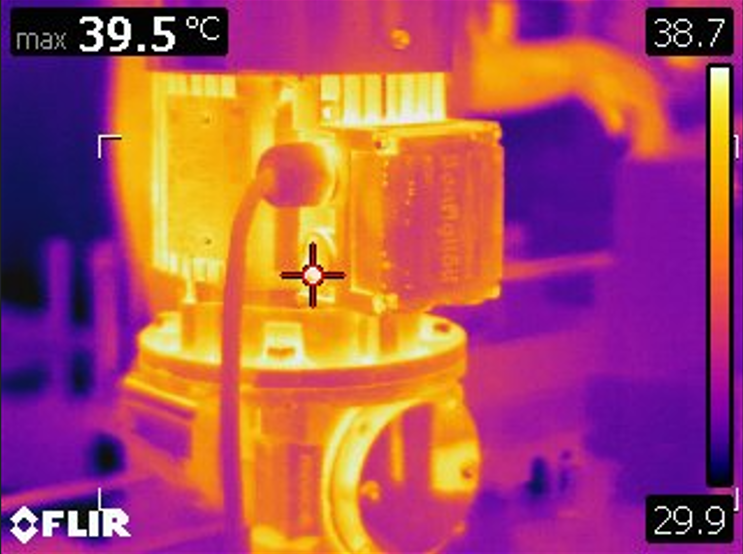
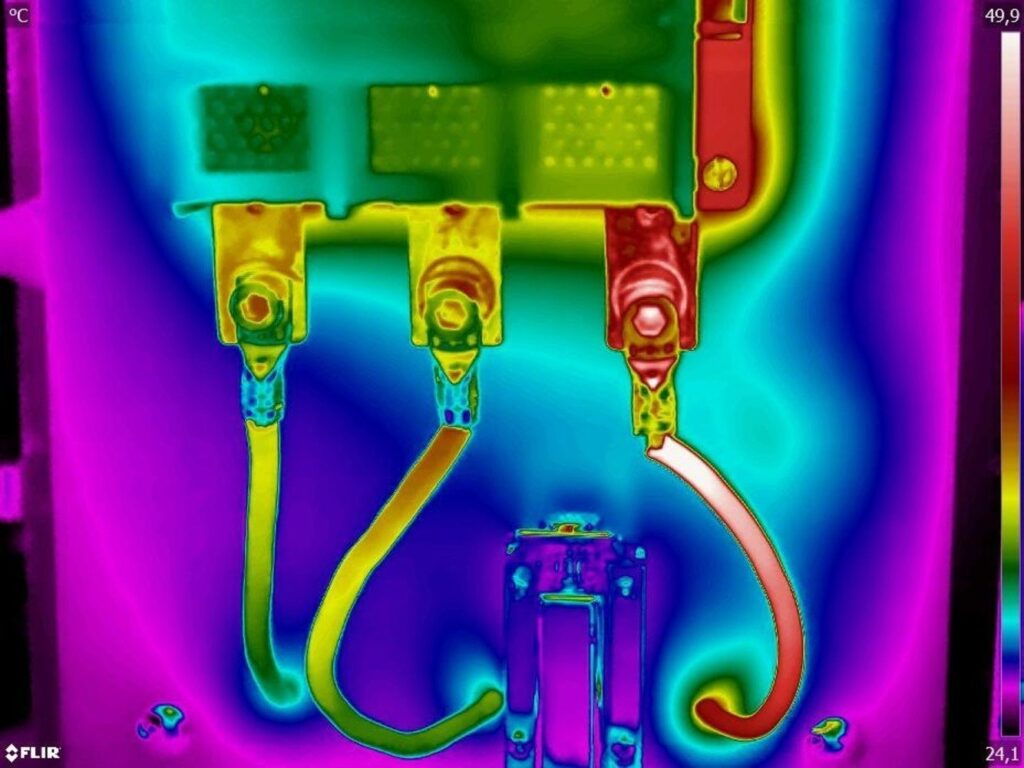
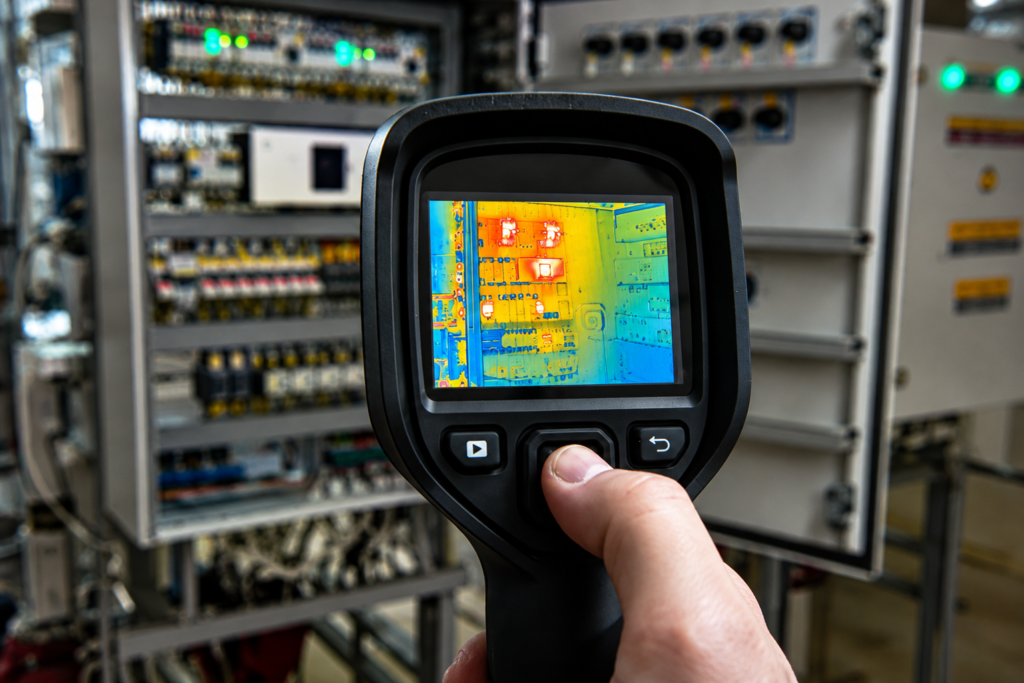
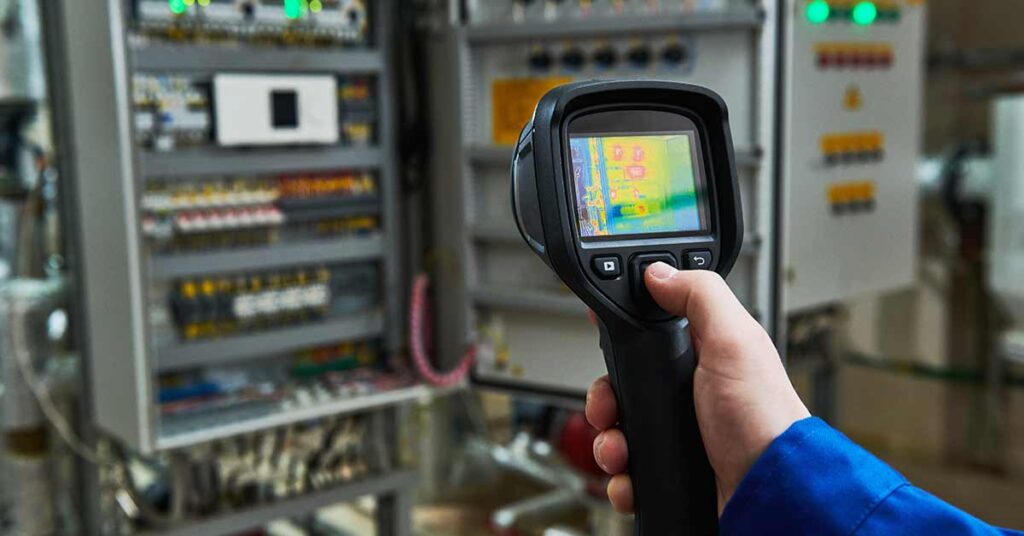
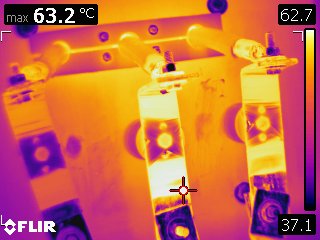
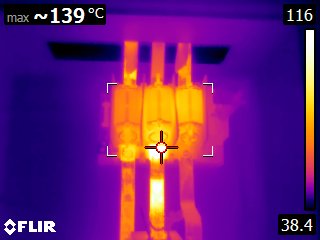
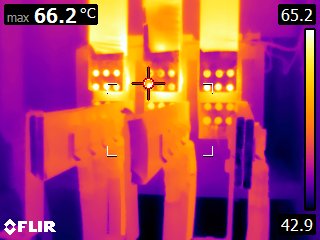
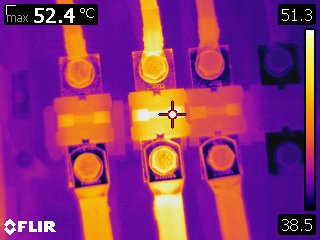
Electrical thermography is a non-contact method of examining surface temperature patterns in electrical equipment. An infrared camera converts emitted infrared energy into a thermal image. The image may reveal components or connections operating differently from comparable parts. However, inspectors must consider load, equipment design and environmental conditions before interpreting an unusual temperature pattern.
Thermography can reveal abnormal heating that may not be visible during a normal inspection. Such heating may be associated with connection resistance, uneven loading or component deterioration. Identifying the pattern helps maintenance teams decide where additional checks may be needed. It also supports repair prioritization and condition-based maintenance planning.
Common assets include switchboards, distribution panels, motor control centres, busbars, breakers, isolators, cable terminations and transformer connections. Capacitor panels, UPS connections, drive panels and accessible solar electrical equipment may also be assessed. The actual coverage depends on safe access, enclosure design, operating state and the agreed inspection scope.
Electrical thermography is often most useful while equipment operates under a suitable load. Therefore, a shutdown may not be required for the thermal scan itself. However, panels must only be accessed under approved safety procedures. Shutdown or isolation may be necessary for opening certain enclosures, confirming a finding or completing later physical checks.
Provide an asset list, single-line diagram where available, access permissions and details of known equipment problems. Relevant equipment should operate under a suitable and representative load where practical. The customer should also arrange authorized site support, required permits and safe panel access. Exact preparation requirements depend on the facility and agreed scope.
Non-contact thermal imaging assesses electrical panels and equipment for abnormal heat patterns, helping maintenanc…
Learn More →Non-contact thermal imaging checks motors, bearings, pumps and other mechanical assets for unusual heat patterns th…
Learn More →No matching services found.
Tell us about your electrical assets, site location, current concerns and required inspection scope. Sachu Technologies can review the available information and discuss a suitable approach, access requirements and preferred schedule.
ADDRESS: 15-29-887/C2, Lakshmi Nilayam, Road No – 2, KPHB Conony, Kukatpally, Hyderabad – 500072.
© 2026 Sachu Technologies. All Rights Reserved.
Tell us about your testing or inspection requirement. Our team will contact you shortly.